
OSHA Hazardous Location Standards
NFPA 70 -vs- 70E
NFPA 70 (National Electrical Code – NEC) focuses on the design and installation of electrical systems to prevent fires and shocks. In contrast, NFPA 70E (Standard for Electrical Safety in the Workplace) dictates safe work practices for personnel interacting with those systems, such as maintenance, troubleshooting, and repairs, to prevent arc flash and shock injuries.
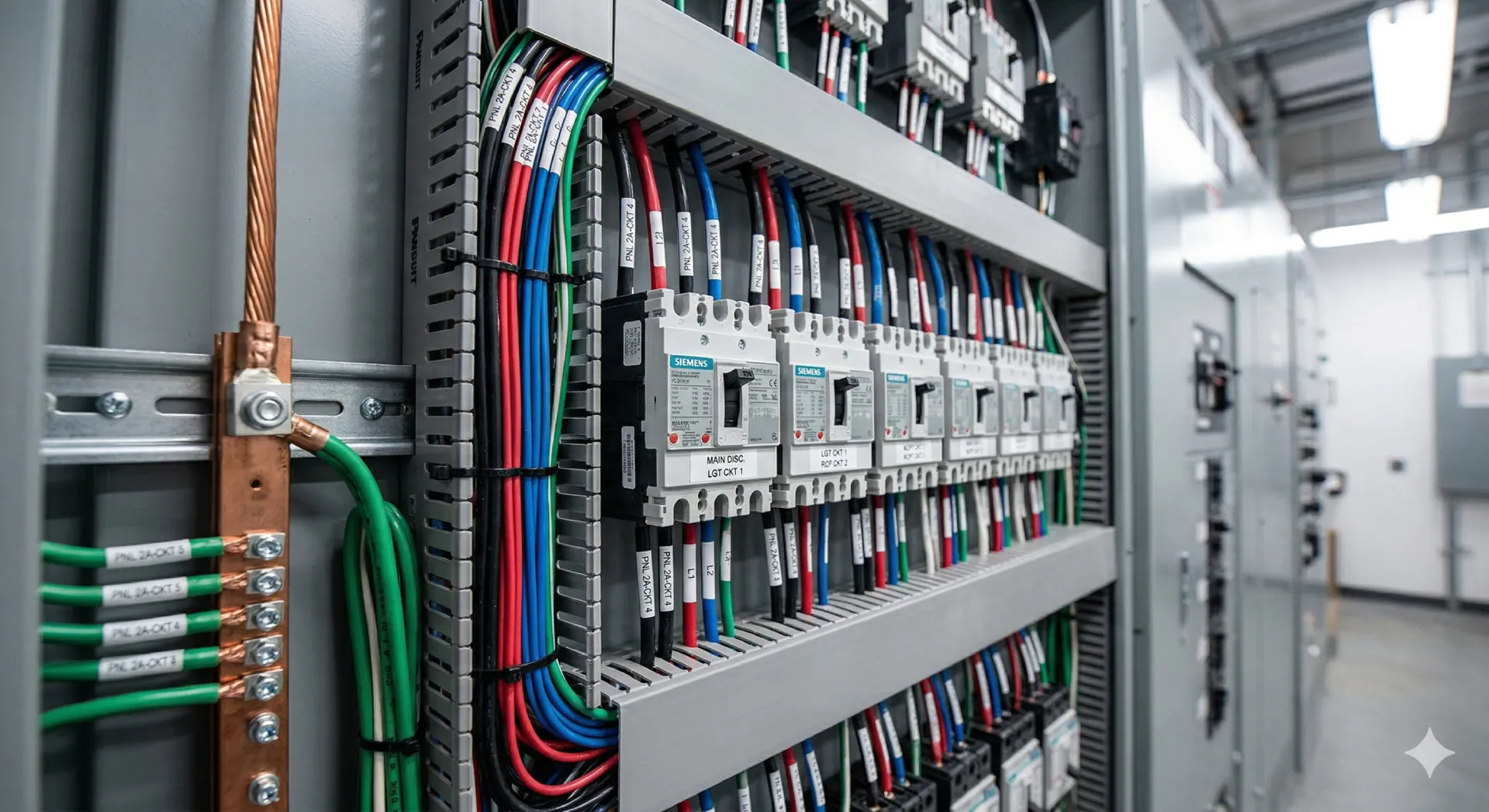
Key Differences Between NFPA 70 and 70E
- Primary Focus: NFPA 70 focuses on the safety of the installation (how to install it), while NFPA 70E focuses on the safety of the worker (how to work on it).
- Application: NFPA 70 is widely adopted as law by municipalities for electrical inspections. NFPA 70E is a standard used to comply with OSHA safety regulations for workplace safety.
- Content: NFPA 70 covers wiring, grounding, and equipment installation. NFPA 70E covers risk assessment, PPE, and energized work permits.
- Timing: NFPA 70 applies when equipment is being built or installed. NFPA 70E applies after the equipment is powered and during maintenance.
In short, NFPA 70 tells you how to build it safely, and NFPA 70E tells you how to work on it safely.
