
OSHA Hazardous Location Standards
OSHA Standards for Hazardous Locations
OSHA heavily regulates electrical safety in hazardous locations, requiring equipment to be tested and certified by a Nationally Recognized Testing Laboratory (NRTL). Manufacturers and Companies can also self-certify custom equipment if they provide OSHA required safety data. OSHA enforces compliance with its standards (i.e. 29 CFR 1910.307 for hazardous locations) and can inspect installations for safety, even if locally approved by authorities.
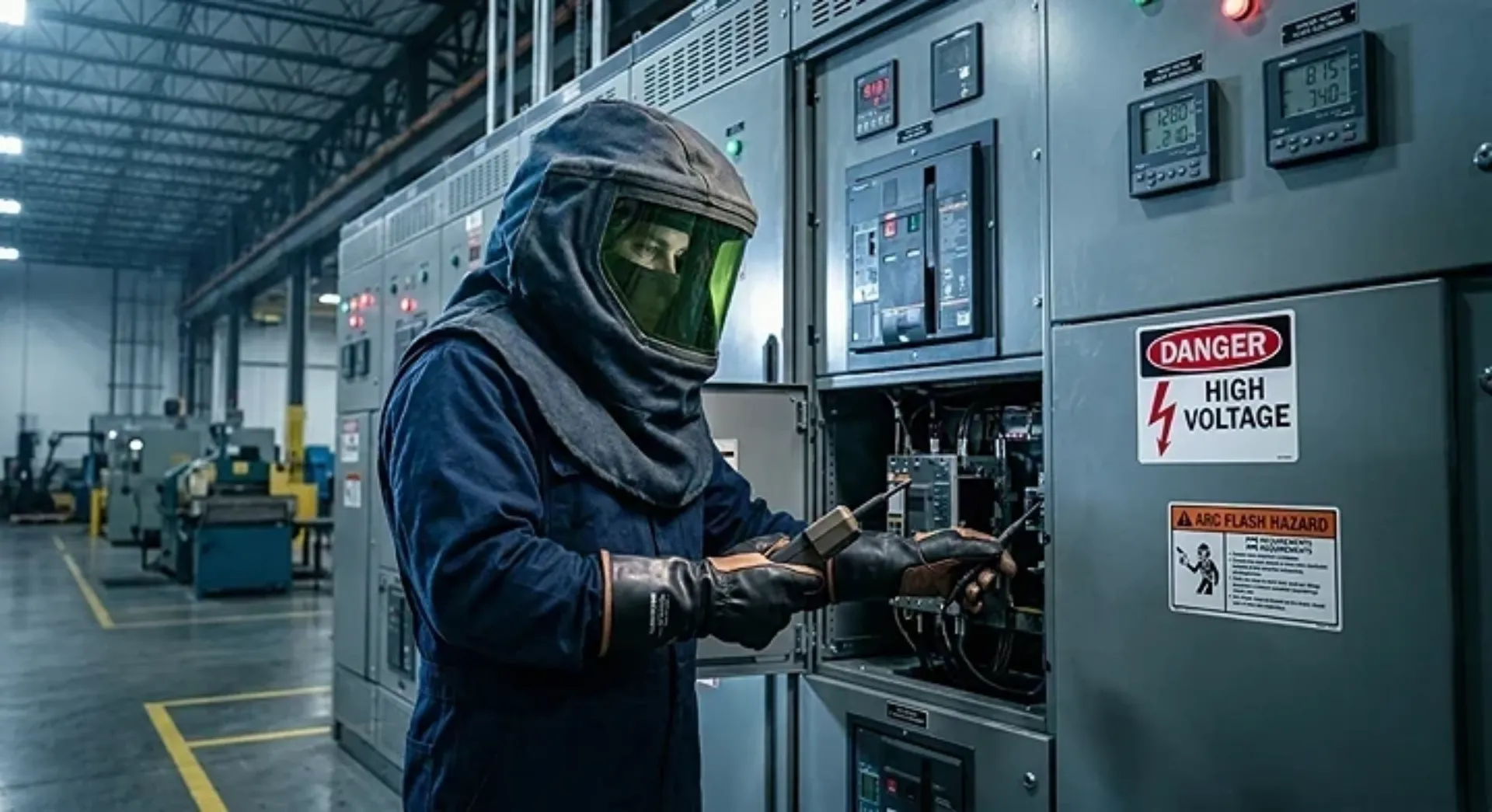
OSHA’s Stance on Hazardous Location Certification:
- NRTL Requirement: OSHA mandates that most electrical equipment used in workplaces, including hazardous locations, must be approved / listed by a NRTL (e.g. UL, SGS, Intertek, FM, etc.).
- Manufacturer and/or Company Self-Certification: On a limited basis manufacturers and/or companies can exercise engineering judgement to self-certify custom-made equipment, but they must provide test data and sufficient documentation proving safety to OSHA inspectors upon request.
- No Endorsement: OSHA itself does not test or certify products; it relies on NRTLs and manufacturer / company compliance with its standards.
- Federal Standards: OSHA sets the baseline with 29 CFR 1910 Subpart S (Electrical) and 1910.307 (Hazardous Locations).
In Summary: If a manufacturer or company claims “self-certification” for electrical equipment in hazardous areas, OSHA still expects that equipment to meet federal standards, potentially through an NRTL or robust manufacturer data, and will enforce safety regulations during inspections.
